Solar Battery Prices & Lifespan in Kenya – The Complete Guide

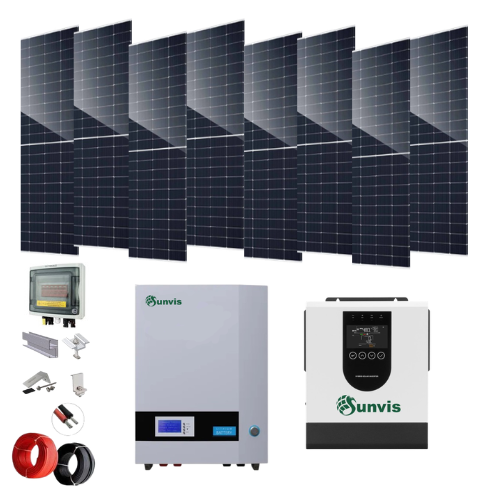
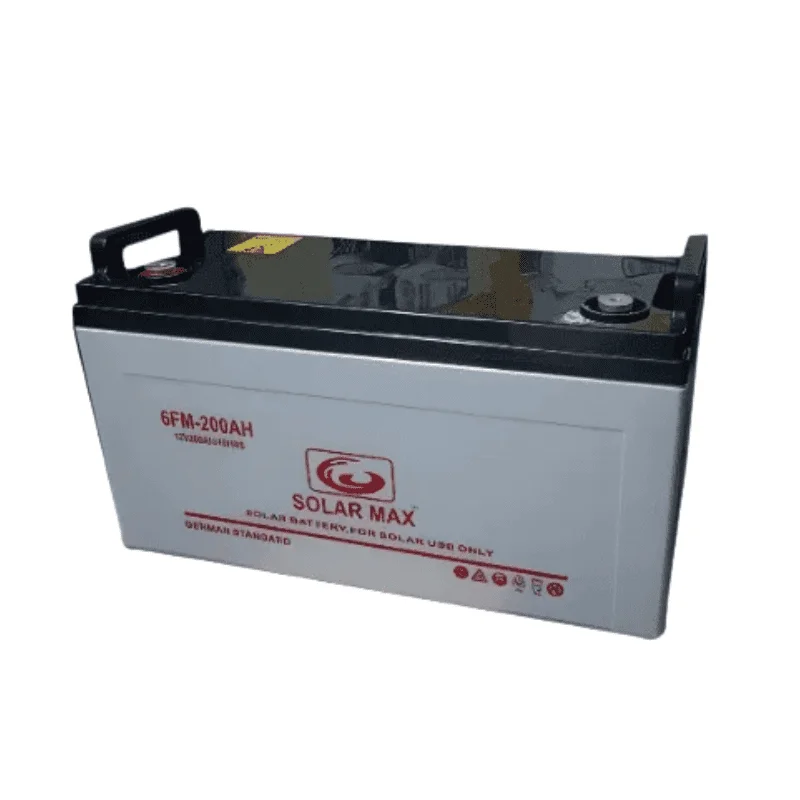
Investing in a high-performance solar energy configuration is the most effective strategy to shield your home or business from volatile Kenya Power (KPLC) electricity bills and unscheduled grid blackouts. However, a backup or off-grid solar infrastructure is only as dependable as its energy storage component. If you are upgrading your system or designing a new hybrid layout, understanding the factors…
Solar installation for Schools & Institutions in Kenya

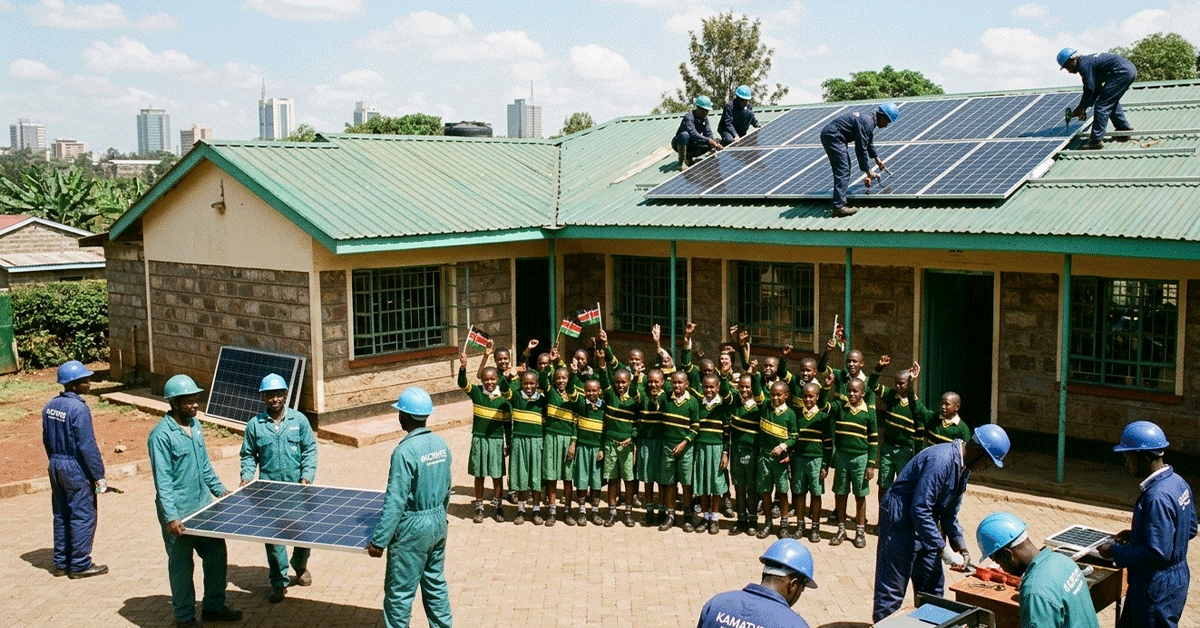
Managing an educational institution in Kenya has become a balancing act between maintaining academic standards and controlling skyrocketing operational overheads. With grid electricity tariffs from Kenya Power (KPLC) fluctuating between KSh 18 and KSh 28 per kWh due to fuel cost adjustments and forex levies, energy bills are eating deeply into school development funds. Fortunately, the operational landscape is shifting.…

Solar for Farms and Agribusiness in Kenya – The Ultimate ROI Blueprint

With climate change introducing intense weather volatility across East Africa, relying purely on rain-fed agriculture is no longer a viable business strategy for Kenyan farmers. Simultaneously, the skyrocketing cost of fuel makes traditional petrol and diesel-powered water generators an absolute cash drain. For an average one-acre farm, running a diesel generator can easily sap up to KSh 800 daily, or…

Mono vs Poly vs Bifacial Solar Panels

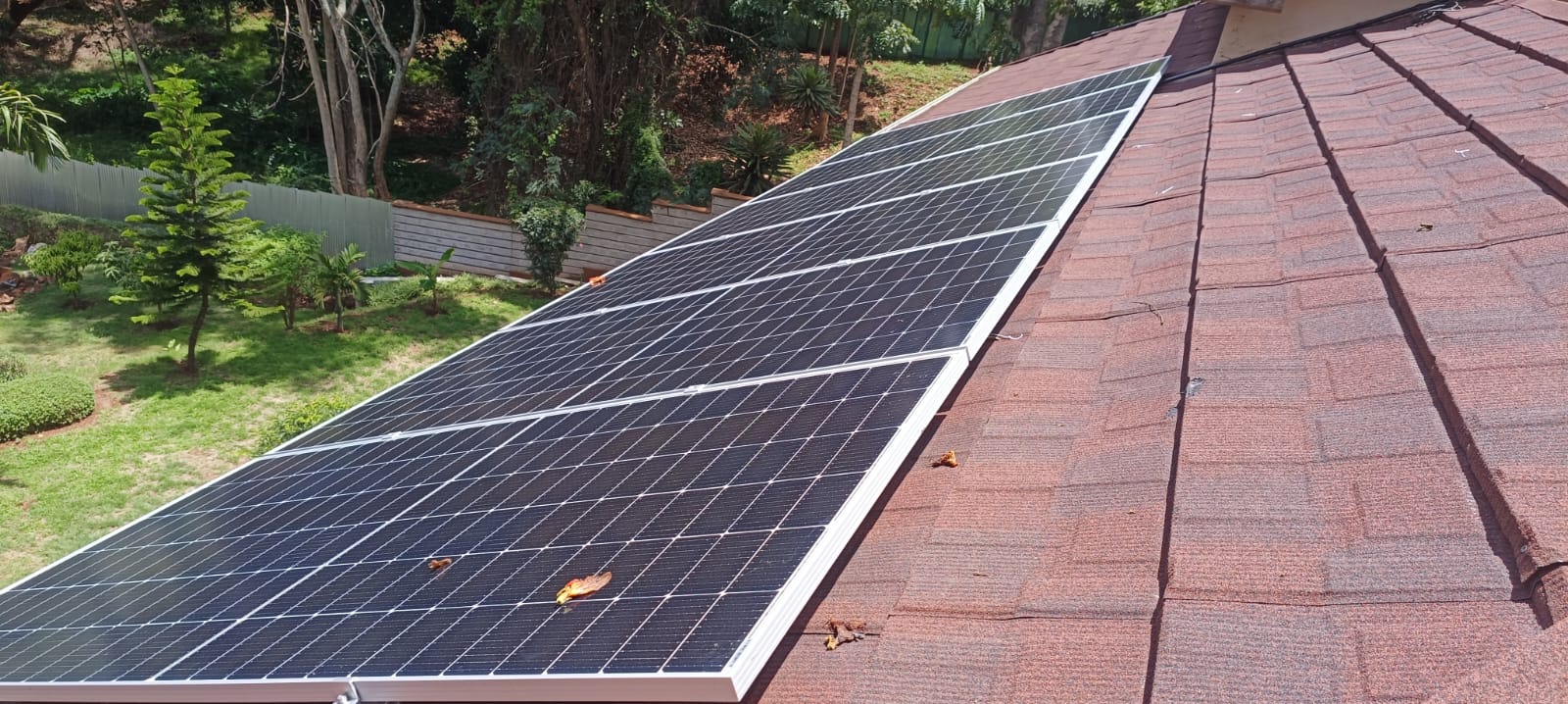
Investing in solar power in Kenya requires understanding how different photovoltaic technologies react to our unique equatorial climate. Between the intense heat of Garissa, the cool humidity of Limuru, and the dust of the Rift Valley, a panel that excels in Europe might underperform on your roof. When evaluating the primary types of solar panels available in the local market,…

MPPT vs PWM Charge Controllers – Which to Buy

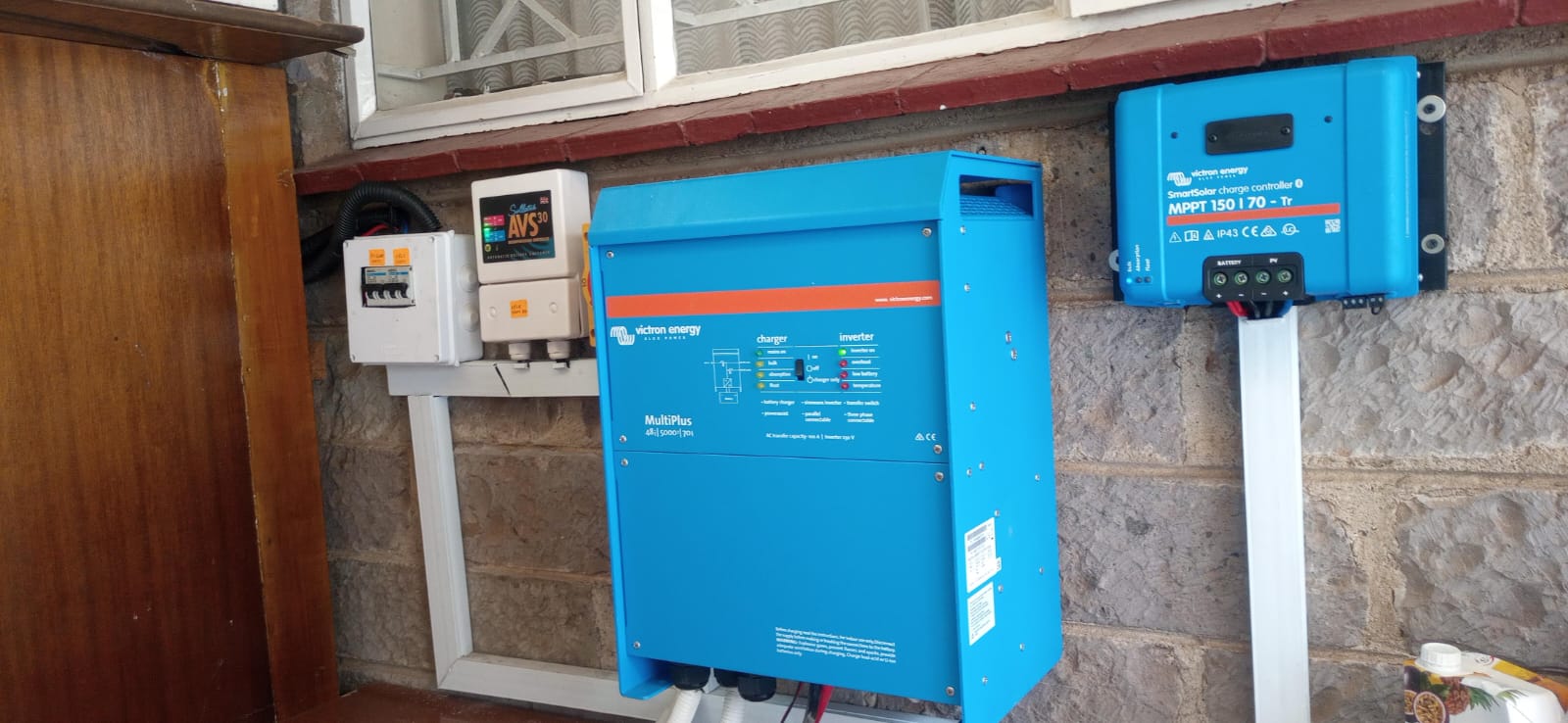
When designing a solar power system for your home or business, one small component plays a massive role in protecting your batteries and maximizing energy harvest: the solar charge controller. If you are shopping around for an MPPT charge controller, the Kenya market options can feel overwhelming. The choice ultimately boils down to two distinct technologies: Pulse Width Modulation (PWM)…

Solar Water Heater Buying & Sizing Guide (Kenya)

To choose a solar water heater in Kenya, pick the collector type (evacuated-tube for most homes, flat-plate for budget/warm areas), decide pressurized vs non-pressurized, then size it by household - roughly 30–50 litres of hot water per person per day, so a typical family suits a 200-litre system. Prices run from about KSh 35,000 to KSh 195,000 plus installation (indicative, 2026). Get a sized recommendation for your home →…

How to Choose a Solar Company in Kenya – A Buyer’s Checklist

To choose a good solar company in Kenya, check that it is EPRA-licensed, uses KEBS-certified equipment, sizes systems properly based on your actual usage, gives a clear itemised quote, offers genuine workmanship and product warranties, and has verifiable past projects and reviews. Avoid companies that quote without a site assessment, push cheap unbranded gear, or can't show a licence. Have questions about…