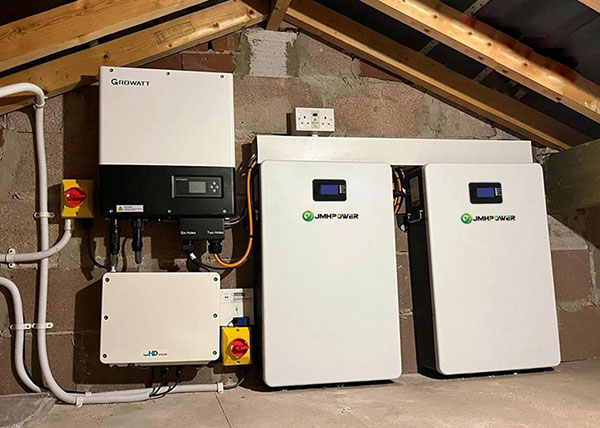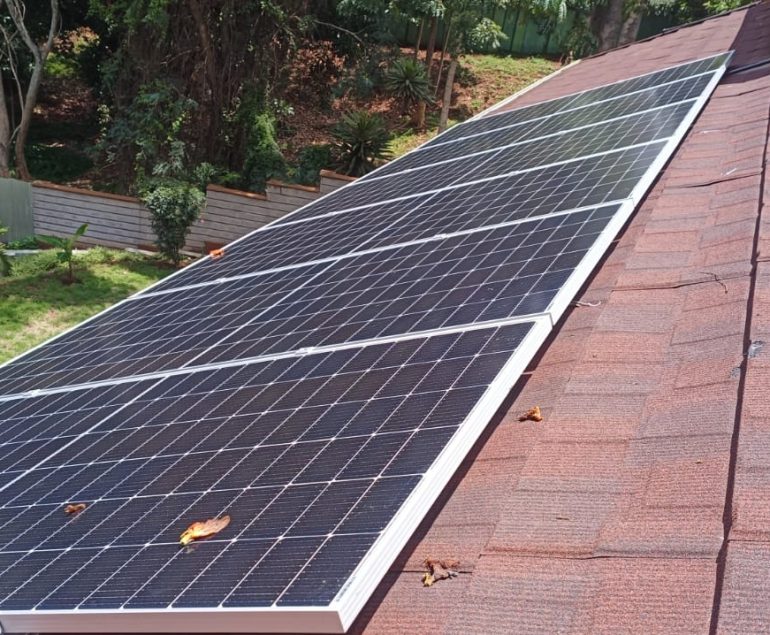


There are three types of solar systems. Grid-tie is the cheapest and cuts your bill, but shuts off during a blackout. Hybrid adds a battery, so it saves money and keeps power on during outages, the best fit for most Kenyan homes. Off-grid runs entirely on solar and battery with no grid at all, ideal for remote sites. Your choice depends on whether you want savings, backup, or independence.
Before you choose panels, inverters or batteries, you need to decide one thing: what kind of solar system you’re building. This single choice shapes your cost, whether you keep power during KPLC outages, and how independent you are from the grid. This guide explains the three types clearly, compares them head to head, and gives you a simple way to decide which is right for your home or business.
For the full service overview see solar installation services; the inverter that defines your system type is covered on solar inverters in Kenya.
The three types, in plain terms
Grid-tie (grid-connected) solar
Panels and an inverter, connected to the KPLC grid, with no battery. It powers your home directly during the day and draws from the grid at night. It’s the cheapest way to cut your bill — but it has one big limitation in Kenya: for safety, a grid-tie system shuts off during a power cut, so it gives you no backup when KPLC goes down.
Hybrid solar
Panels, a hybrid inverter, and a battery, still connected to the grid. It uses solar by day, stored battery power in the evening, and the grid only as a fallback, and crucially, it keeps your essential appliances running during a blackout. It costs more than grid-tie because of the battery, but it’s the most practical choice for most Kenyan homes and businesses that face outages.
Off-grid solar
Panels, an off-grid inverter, and a battery bank, with no grid connection at all. The system must generate and store everything you use, so it needs more panels and battery capacity, making it the most expensive option. It’s the right (and sometimes only) choice for remote homes, farms, and sites without reliable grid power.
Head-to-head comparison
| Feature | Grid-tie | Hybrid | Off-grid |
|---|---|---|---|
| Battery | No | Yes | Yes (essential) |
| Works in a blackout | No | Yes | Yes |
| Grid connection | Yes | Yes | No |
| Relative upfront cost | Lowest | Medium–high | Highest |
| Cuts your KPLC bill | Yes (daytime) | Yes (day + evening) | Removes it (no grid) |
| Can use net metering* | Yes | Yes | No (not grid-connected) |
| Best for | Stable-supply homes want savings | Most Kenyan homes & SMEs | Remote / no-grid sites |
See the net metering section below for how this works in Kenya in 2026. Relative cost depends on system size, battery capacity, and components, see Cost of Solar Installation in Kenya
How each behaves across a day and in an outage
- Daytime: all three run your home on solar and (except off-grid at full load) charge batteries or export surplus.
- Evening/night: grid-tie draws from KPLC; hybrid and off-grid run on the battery.
- During a KPLC blackout, the grid-tie switches off (no power); the hybrid switches to battery almost instantly, so essentials stay on; off-grid is unaffected because it never relied on the grid.
For homes in areas with frequent outages, blackout row is usually the deciding factor, which is why hybrid dominates the Kenyan residential market.
What about selling power back to KPLC? (net metering in Kenya)
Kenya now has a net-metering framework: the Energy (Net-Metering) Regulations 2024, gazetted under the Energy Act 2019, allow grid-connected solar owners (“prosumers”) to feed surplus power into the KPLC grid in exchange for energy credits that offset future bills. Domestic systems are capped at around 10 kW for export, and commercial/industrial systems up to 1 MW.
Two important caveats for 2026: prosumers receive energy credits, not direct cash payments, and you pay for the extra equipment needed to export (such as a bi-directional meter). Practical rollout has also depended on Kenya Power’s billing systems being ready to credit exported power, so availability and processing can vary. Net metering applies to grid-tie and hybrid systems (not off-grid). If selling surplus matters to you, confirm the current process with EPRA/KPLC before sizing your system.
Net-metering position summarised from EPRA’s gazetted Energy (Net-Metering) Regulations 2024 and 2026 reporting. General information, not legal/financial advice; confirm current rules and caps with EPRA/KPLC. Status as of 2026: re-verify if reading later. A dedicated guide (Net Metering, EPRA Licensing & KPLC Rules) goes deeper.
Which system is right for you?
| Your priority/situation | Best fit |
|---|---|
| Lowest cost, you have a stable supply, only want to cut the daytime bill | Grid-tie |
| You want savings and backup during KPLC outages (most homes) | Hybrid |
| Remote site, farm, or location with no/poor grid | Off-grid |
| Frequent, long outages, and you can’t tolerate downtime | Hybrid (larger battery) or off-grid |
| Businesses wanting to cut daytime energy costs and possibly export surplus | Grid-tie or hybrid (with net metering) |
Most Kenyan homes facing outages land on hybrid; it’s the balance of savings and reliability. The right call depends on your grid quality, budget, and how much backup you need, which is exactly what we assess before recommending a system.
Get matched to the right system
Tell us about your location, your outages and your budget, and we’ll recommend grid-tie, hybrid or off-grid — then design and install it properly.
Request free advice & a quote → or call 0722 841 601 / 0702 068 376.
Frequently asked questions
What is the difference between grid-tie, hybrid, and off-grid solar?
Grid-tie has no battery and shuts off in a blackout (cheapest, daytime savings). Hybrid adds a battery, so it saves money and provides backup during outages. Off-grid has no grid connection and runs entirely on solar and battery (most expensive, for remote sites).
Which solar system is best for a home in Kenya?
For most homes, hybrid, because it cuts your KPLC bill and keeps essential appliances running during the outages common across much of Kenya. Grid-tie suits stable-supply areas wanting only savings; off-grid suits remote sites.
Does a grid-tie system work during a power cut?
No. For safety, a grid-tie system shuts down during a KPLC outage, so it provides no backup. If you want power during blackouts, you need a hybrid or off-grid system with a battery.
Can I sell solar power back to KPLC in Kenya?
Under Kenya’s gazetted Energy (Net-Metering) Regulations 2024, grid-connected prosumers can export surplus power for energy credits (offsetting future bills), not direct cash payments, with domestic export capped at around 10 kW. You cover the extra export equipment, and practical availability depends on KPLC’s systems. Confirm the current process before relying on it.
Is off-grid solar worth it in Kenya?
Off-grid makes most sense where the grid is absent or unreliable, in remote homes, farms, and sites. For homes that already have a KPLC connection, hybrid usually delivers better value, since it uses the grid as a low-cost fallback rather than paying for the extra panels and batteries full independence requires.
Can I upgrade a grid-tie system to a hybrid later?
Often, yes, by adding a compatible battery and, depending on your setup, a hybrid inverter. If you think you’ll want backup later, mention it at design stage so your system is chosen with that upgrade in mind.
Related reading
- Solar Installation Services in Kenya — full-service overview
- Solar Inverters in Kenya — the inverter defines your system type.
- How to Choose a Solar Inverter in Kenya
- Cost of Solar Installation in Kenya (2026 Price Guide) .
- Solar ROI & Payback Period in Kenya.