
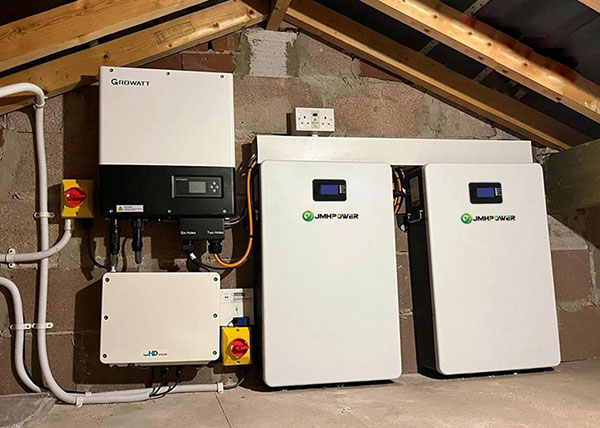
For a solar system you use daily, lithium (LiFePO4) is almost always the better value in Kenya — despite costing more upfront – because it lasts about 10–15 years versus 3–5 for lead-acid and delivers far more usable energy per unit. Lead-acid only wins on initial price, and makes sense mainly for tight budgets or light, occasional backup. Over 15 years, lead-acid often costs more in total.
The battery is usually the most expensive part of a backup solar system — and the lithium-vs-lead-acid choice is where buyers most often optimise for the wrong number. Lead-acid looks cheaper on the shelf, but “cheaper today” and “cheaper over the life of your system” are not the same thing. This guide explains the real differences, then works through what each actually costs over 15 years, so you can decide with eyes open.
For the product overview, see solar batteries in Kenya. This is the deeper decision companion.
Lithium vs lead-acid: head to head
| Factor | Lithium (LiFePO4) | Lead-acid (AGM/gel) |
|---|---|---|
| Upfront cost | Higher | Lower |
| Lifespan | ~10–15 years | ~3–5 years |
| Charge cycles | 6,000+ | 1,200–2,000 |
| Usable capacity (depth of discharge) | ~90–95% | ~50% |
| Round-trip efficiency | High (~95%+) | Lower (~80–85%) |
| Maintenance | None (sealed, built-in BMS) | Some (esp. flooded) |
| Weight (per usable kWh) | ~1/3 of lead-acid | Heavy |
| Performance in heat | Handles heat well | Degrades faster when hot |
| Best for | Daily cycling, long-term value | Tight budgets, light backup |
Lead-acid wins one row upfront cost. Lithium wins the rest. The two rows that matter most for your wallet are usable capacity and lifespan, so they’re worth understanding properly.
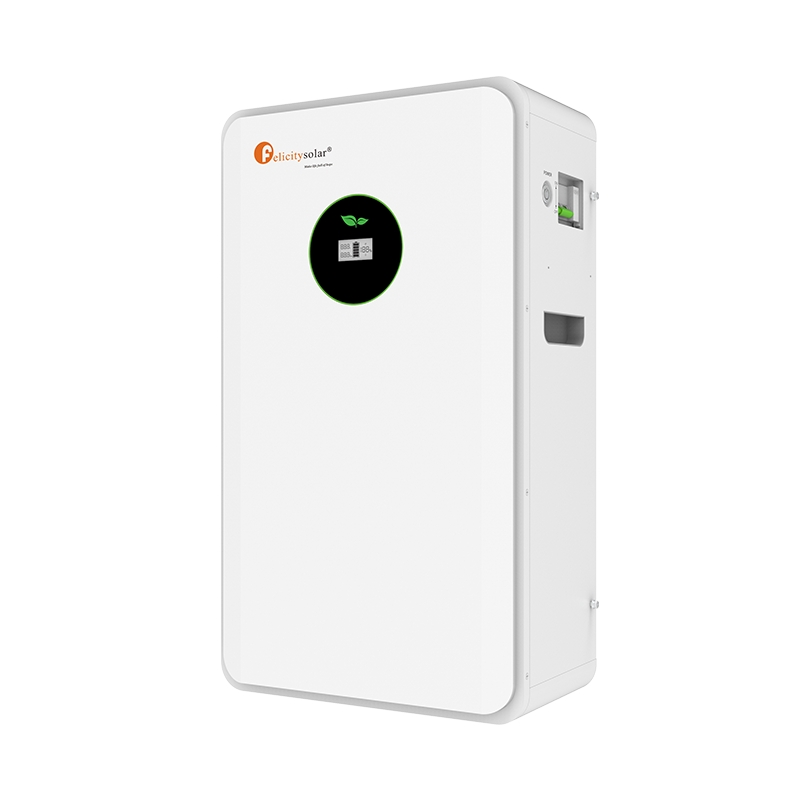
Lifespan and cycles: why lead-acid is replaced sooner
A battery’s life is measured in charge cycles (one full charge-and-discharge). Lead-acid typically delivers 1,200–2,000 cycles (about 3–5 years of daily use); lithium delivers 6,000+ cycles (about 10–15 years). For a system cycled every day, that difference means you’ll typically replace lead-acid batteries three or more times over the life of a single lithium battery.
Worked example: total cost over 15 years
Here’s where the real comparison lives. Let’s cost out delivering about 4.5 kWh of usable evening storage over a 15-year horizon, both ways. (Figures are indicative 2026 prices and clearly-stated assumptions — illustrative, not a quote.)
Option A — Lithium (LiFePO4)
- To get ~4.5 kWh usable, you need one 5 kWh lithium module (≈4.5–4.75 kWh usable at ~90–95%).
- Indicative price: ~KSh 140,000 (midpoint of the ~KSh 120,000–160,000 range).
- Lifespan ~10–15 years → one battery covers the 15-year horizon.
- 15-year battery cost ≈ KSh 140,000.
Option B — Lead-acid (AGM)
- At ~50% usable, to get ~4.5 kWh usable you need ~9 kWh of nominal capacity.
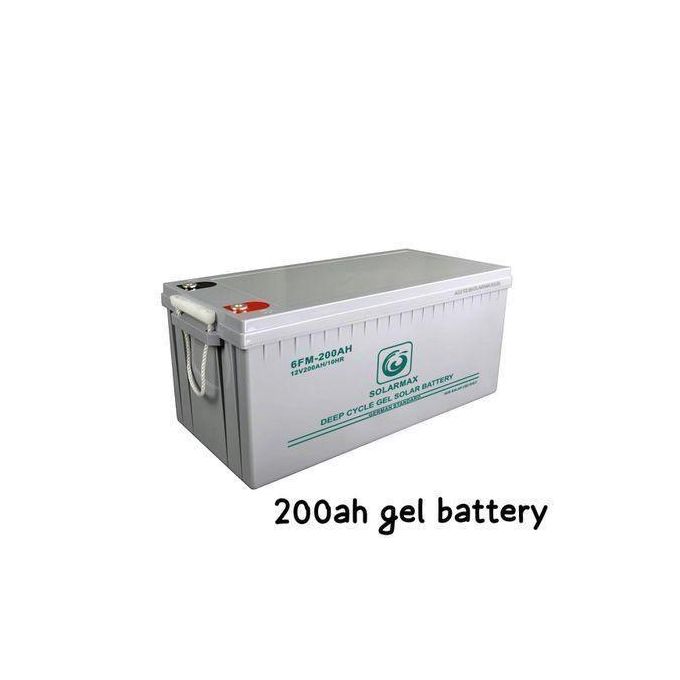
- A 200Ah/12V lead-acid battery ≈ 2.4 kWh nominal (~1.2 kWh usable), so you need about 4 batteries per set (4 × 1.2 ≈ 4.8 kWh usable).
- Indicative price ~KSh 40,000 each → ~KSh 160,000 per set of four.
- Lifespan ~3–5 years → replaced about every 4 years over 15 years = about 4 sets (roughly years 0, 4, 8 and 12).
- 15-year battery cost ≈ 4 × KSh 160,000 = KSh 640,000.
| Over 15 years (illustrative) | Lithium | Lead-acid |
|---|---|---|
| Units needed for ~4.5 kWh usable | 1 × 5 kWh module | ~4 × 200Ah (per set) |
| Replacements in 15 years | ~0–1 | ~4 sets |
| Indicative 15-year battery cost | ~KSh 140,000 | ~KSh 640,000 |
Illustrative only. Assumes daily cycling, midpoint 2026 prices, and typical lifespans; it excludes installation and the time-value of money, and real results vary with product quality, depth of discharge, temperature, usage, and future prices. The point is the direction: for daily use, lead-acid’s lower sticker price is usually outweighed by the cost of repeated replacements. Run the numbers for your own case before deciding.
Even allowing generously for cheaper lead-acid batteries or a longer lead-acid life, the gap stays wide for daily-cycling systems. That’s why, for everyday solar use in Kenya, lithium is generally the better long-term investment.
When does lead-acid still make sense?
Lead-acid isn’t obsolete — it’s just narrower in fit. It can be the right call when:
- Your upfront budget is tight, and you need to get a basic backup running now.
- Backup is occasional, not daily — light cycling extends lead-acid life and reduces the replacement penalty.
- It’s a small or temporary system where long-term cost matters less.
For most homes that use their system every evening, though, lithium’s longer life and higher usable capacity win out.
How to choose between them
- Daily use → lithium. The lifespan and usable-capacity advantages compound over time.
- Compare cost per usable kWh over the system’s life, not the sticker price.
- Check inverter compatibility — your inverter must support the chemistry and voltage you choose. See solar inverters in Kenya.
- Factor in heat — lithium copes better with Kenya’s warm conditions; lead-acid degrades faster when hot.
- Look at warranty — quality lithium often carries longer warranties, a signal of expected life.
Want us to size and cost both options for your home? Request a free quote → or call 0722 841 601 / 0702 068 376.
Frequently asked questions
Is lithium or lead-acid better for solar in Kenya?
For a system used daily, lithium (LiFePO4) is generally better — it lasts about 10–15 years (vs 3–5 for lead-acid), gives ~90–95% usable capacity (vs ~50%), needs no maintenance and handles heat better. Lead-acid wins only on upfront price and suits tight budgets or light backup.
Why is lithium more expensive than lead-acid?
Lithium costs more upfront because of its chemistry and built-in battery management system. But it lasts roughly three times as long and delivers far more usable energy per unit, so over the life of a daily-use system it is usually cheaper overall.
How long do lithium and lead-acid batteries last?
Lithium (LiFePO4) typically lasts 10–15 years (6,000+ cycles); lead-acid typically lasts 3–5 years (1,200–2,000 cycles). Actual life depends on depth of discharge, temperature, and how well the battery is sized and maintained.
How much do solar batteries cost in Kenya?
Indicatively (2026, verify current): a lead-acid 200Ah battery is about KSh 32,000–48,000, a 5 kWh lithium module is about KSh 120,000–160,000. Remember to compare cost per usable kWh over the battery’s life, not just sticker price.
Can I mix lithium and lead-acid batteries?
No — you should not mix chemistries in the same bank, because they charge and discharge differently, which damages the batteries. Choose one chemistry and ensure your inverter/charge controller supports it.
Can I replace my lead-acid batteries with lithium later?
Often yes, provided your inverter and charge controller support lithium and the correct voltage. Many people upgrade to lithium when their lead-acid bank reaches the end of its life. Confirm compatibility first.